


Fire Fighting Steel Pipe
Why Choose Tianjin Baolai Steel Industry Group Co.,Ltd
Tianjin Baolai Steel Industry Group Co., Ltd is a comprehensive company, which focuses on steel pipes and other steel products. Established in 1991, Baolai is among the first few specialized companies that develop and manufacture ordinary and special-diameter steel pipes. We manufacture API, ASTM, BS, DIN, JIS, and EN standards pipes with a galvanizing facility. Our annual capacity is approximately 4800,000MT in various specifications and export 150,000MT to all over the world.
Rich Experience
We are the leading steel pipes manufacturer, having established since 1991 with more than 30 years of experience.
Wide Product Range
We develop and manufacture ordinary and special-diameter steel pipes, API, ASTM, BS, DIN, JIS, and EN standards pipes, having eight steel pipe production lines and five hot-dipped galvanizing production lines.
Professional Technical Team
A dedicated team is tasked to provide technical support to advise the proper usage of steel and assist customers in using the products to their best advantage.
Complete Qualifications
Our company has two integration management system evaluation certificates, China's top 500 manufacturing industries, ISO 45001, ISO 14001, and ISO 9001. Our products have API 5CT -0802, EN 10217 Directive 2014/68/EU, EN 10217 material according to DGRL 97/23/EC, Quality-Management-System, Quality-Assurance, LR 3, LR 2, LR 1, UL ASTM A852, UL ASTM A53/ ASTM, API 5L-0552 certifications.


Fire-fighting pipes are products used in fire-fighting water supply, air supply, and foam medium delivery piping systems. The fire-fighting pipes produced by Baolai Steel Pipes have strong anti-corrosion properties.
Firefighting pipes are used in automatic sprinkler systems and other water systems that stop fires. These pipes are usually painted in red to make it easy for firefighters and other individuals to identify them. and to sperate them from other water systems.
Firefighting pipes are often made of durable carbon steel and are painted red, so that they can be easily identified. However, these are not the only types of firefighting pipes that are available. There are also light-wall types that are galvanized and may be silvery on the exterior. CPVC and copper fire sprinkler pipes are also available. Most of the red pipes are used in wet sprinkler systems. Galvanized pipes may be found in both dry and wet sprinkler systems. Pre-action systems may also contain galvanized pipes. You’ll find carbon steel pipes that are designed with different types of ends, to suit the layout of your fire suppression system. For example, you can choose from beveled, threaded, and grooved pipe ends.
Features of Firefighting Steel Pipe

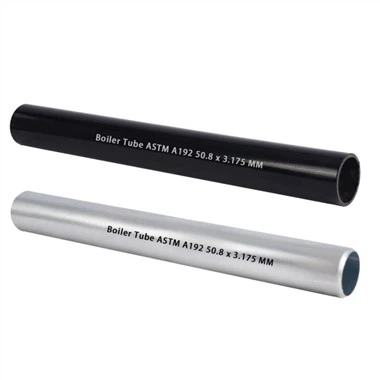
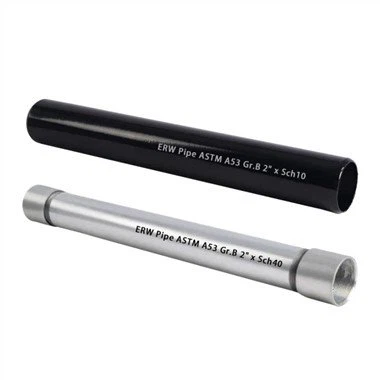

Firefighting steel pipes are a vital component of fire safety measures used to suppress and control fires. These pipes are designed to withstand high levels of pressure and extreme temperatures without compromising on performance. Here are some of the key features of firefighting steel pipes.
Corrosion Resistance
Firefighting steel pipes are constructed from materials that are resistant to corrosion, erosion, and rusting. This property ensures that the pipes remain strong and durable, even after prolonged exposure to moisture, chemicals, and atmospheric elements.
High-Temperature Resistance
Firefighting steel pipes are designed to operate in high-temperature environments, such as during a fire outbreak. They are capable of withstanding temperature variations of up to 700°C without losing structural integrity.
Easy to Install
Firefighting steel pipes are relatively easy to install and require minimal maintenance. Their design allows for rapid installation, which is crucial during emergency situations.
Longevity
Firefighting steel pipes have a long lifespan when correctly installed and maintained. This property makes them a cost-effective option for building owners and operators.
High-Pressure Capacity
Firefighting steel pipes are capable of operating under high-pressure conditions and are frequently used as the primary feed for fire suppression systems.
Testing and Certification
Firefighting steel pipes are rigorously tested and certified to ensure they meet the requisite safety standards. This certification guarantees the pipes' quality and reliability, making them an ideal solution for fire safety applications.
Flexibility
Firefighting steel pipes are flexible and can be bent and shaped in various ways without losing their structural integrity. This property allows them to be tailored to the unique needs of different buildings and fire suppression systems.

Types of Firefighting Steel Pipe
Fire Pipe Fittings
- Grooved Reducer,Reducer with thread
- Grooved Cap,Cap with concentric hole
- Grooved Elbow,90° elbow, 45° elbow, 22.5° elbow
- Grooved Tee,Equal tee, unequal tee, reducer tee, unequal tee with thread
- Grooved Tire,Y connects, equal cross
ERW Pipe
ERW steel pipes are manufactured by low-frequency or high-frequency resistance "resistance". They are round pipes welded from steel plates with longitudinal welds. It is used to transport oil, natural gas and other vapor-liquid objects, and can meet various requirements of high and low pressure. At present, it occupies a pivotal position in the field of transportation pipes in the world.
During ERW pipe welding, heat is generated when current flows through the contact surface of the welding area. It heats the two edges of the steel to the point where one edge can form a bond. At the same time, under the action of the combined pressure, the edges of the tube blank melt and squeeze together.
Ductile Water Supply Cast Iron Pipe
After the casting molten iron of No. 18 or above is added with nodularizing agent, the pipe is cast by high-speed centrifugal casting of a centrifugal ductile iron machine, which is called "ductile iron pipe", referred to as ball pipe, ductile iron pipe and ductile iron pipe for short.
Plastic Pipes
As an important part of chemical building materials, plastic pipes are widely accepted by the majority of users for their superior performance, hygiene, environmental protection, low consumption, etc., mainly UPVC drainage pipes, UPVC water supply pipes, aluminum-plastic composite pipes, polyethylene (PE) These kinds of water pipes.
Copper Pipe
Copper pipe is also called red copper pipe. A type of non-ferrous metal pipe, which is a pressed and drawn seamless pipe. Copper pipes have strong and corrosion-resistant properties, and have become the installation of water pipes, heating and cooling pipes in residential commercial buildings by modern contractors.
Composite Pipes
The composite pipe is a pipe composed of two or more materials. It is based on a metal pipe and is formed by welding non-metallic materials such as polyethylene and cross-linked polyethylene inside and outside. It has the advantages of metal pipes and non-metal pipes.
Alloy Pipe
Alloy pipe is a kind of seamless steel pipe, and its performance is much higher than that of ordinary seamless steel pipe, because this steel pipe contains more Cr, and its high temperature resistance, low temperature resistance and corrosion resistance are better than other seamless steel pipes. Therefore, alloy pipes are widely used in petroleum, chemical, electric power, boiler, military and other industries.
Resistance to Heat
Since the very first fire protection systems were installed, the durability, strength, and extreme resistance to heat exhibited by black steel has made it the undisputed leader of the fire sprinkler pipeline industry. Having a melting point that ranges between 2,600°F and 2,800°F (1,427°C and 1,538°C), steel pipes can withstand the heat of a burning building and keep the water flowing onto a fire. For all types of fire protection systems, steel pipes are suitable. It can be easily bent, formed and fabricated which enables it to be manufactured into several shapes, sizes, and configurations. It also has the lowest thermal expansion coefficient among all the fire sprinkler pipe materials.
How the size of an object changes with temperature change is described by this coefficient? For example, a 100-foot section of steel pipe when heated from 40°F to 120°F, will only expand 0.63 of an inch which minimizes the requirement for expansion joints and loops. While copper has the next best thermal expansion co-efficient, it is still 1.5 times higher.
Rigidity
There are again some other benefits of steel. Extended exposure to ultraviolet light has no impact on its mechanical properties or performance. It can also be painted with no adverse effects. This extreme rigidity and strength mean that stepping, dropping or banging steel pipes during installation will not easily cause any kind of damage that can be a real concern with CPVC. Rigidity is also important as it determines the distance between the hangers during installation. More hangers require more flexible materials which up the cost of that component of an installation.

Application of Firefighting Steel Pipe
Firefighting steel pipe is a type of steel pipe that is specifically designed for use in fire suppression systems. It has several key applications that make it an essential component in many buildings and industrial facilities.
Fire Suppression Systems
Firefighting steel pipe is used in the construction of fire suppression systems, which are designed to quickly and effectively extinguish fires in buildings and other structures. These systems rely on a network of steel pipes that are installed throughout the building and connected to a water supply. When a fire is detected, water is released from the pipes and directed toward the source of the fire, helping to extinguish the flames.
Industrial Applications
Firefighting steel pipe is also commonly used in industrial applications where fires are a risk. For example, it is often used in oil and gas facilities, chemical plants, and other high-risk environments where fires can occur. In these applications, fire suppression systems are essential for preventing catastrophic fires that could cause injuries, damage to equipment and facilities, and loss of life.
Structural Support
Firefighting steel pipe can also be used as a component in structural support systems. Because it is made from durable, high-strength steel, it can be used to support heavy loads and resist external forces, such as wind, earthquakes, and other natural disasters. This makes it an ideal choice for use in high-rise buildings and other structures that require strong support systems.

How to Choose Firefighting Steel Pipe
Selecting the right pipes for firefighting works ensures safe and efficient fire suppression. Using the wrong pipe can lead to catastrophic outcomes, such as leaks, fire spread, and burst pipes. For instance, using a PVC pipe for firefighting can release toxic fumes when opened to high temperatures, while utilizing a weakened or corroded steel pipe can lead to leaks and ruptures.
Thus, stainless steel pipes cover all the major factors for firefighting works. Those factors of firefighting pipes are:
- Material
- Corrosion Resistance
- Thickness and Size
- Compatibility
- Durability
How to install Firefighting Steel Pipe
Installation preparation → dry pipe installation → alarm valve installation → vertical pipe installation → spray layered Sexagenarian cycle pipe, hydrant and branch pipe installation → water flow indicator, fire water pump, high water tank, water pump coupling installation → pipeline trial pressure → pipeline flushing → spray head branch pipe installation (system comprehensive test pressure and flushing) → throttle device installation → alarm valve accessories, hydrant accessories, spray head installation → system water test

Our Factory
We have a complete factory production, quality supervision and delivery.


Our Certificate
At present, the company has ISO9001, ISO14001, ISO45001, Evaluation certificate of the integration of industrialization and industrialization management system, China's Top 500 Manufacturing Private Enterprises certifications.


Ultimate FAQ Guide to Firefighting Steel Pipe
Q: What is firefighting steel pipe?
Q: What sizes does firefighting steel pipe come in?
Q: Can firefighting steel pipe be used for other purposes?
Q: What is the most common type of coating used on firefighting steel pipe?
Q: How is firefighting steel pipe stored?
Q: How is firefighting steel pipe installed?
Q: Can firefighting steel pipe be bent?
Q: How is firefighting steel pipe tested?
Q: What is the lifespan of firefighting steel pipe?
Q: Can firefighting steel pipe be repaired?
Q: How does firefighting steel pipe compare to other materials, such as PVC?
Q: What are some common applications for firefighting steel pipe?
Q: What are some safety considerations when working with firefighting steel pipe?
Q: How does firefighting steel pipe affect water quality?
Q: Can firefighting steel pipe be recycled?
Q: Can firefighting steel pipe be used in outdoor applications?
Q: What is the proper way to maintain firefighting steel pipe?
Q: What are some common installation mistakes when working with firefighting steel pipe?
Q: Can firefighting steel pipe be used for drinking water?
Q: How does firefighting steel pipe compare to copper pipe?