


Fire Pipe Fitting For Fire Protection
Products Description
Fire pipe fitting refers to the installation and maintenance of pipes, valves, and fittings used in fire protection systems. These systems are designed to detect and suppress fires in buildings, industrial facilities, and other structures. Fire pipe fitting involves a variety of tasks, including designing, installing, testing, and maintaining fire protection systems.
 Rigid Coupling for Fire Protection  Mechanical Tee  Grooved Reducer with Grooved, Threaded  Grooved Cross and Threaded Cross for Fire Protect 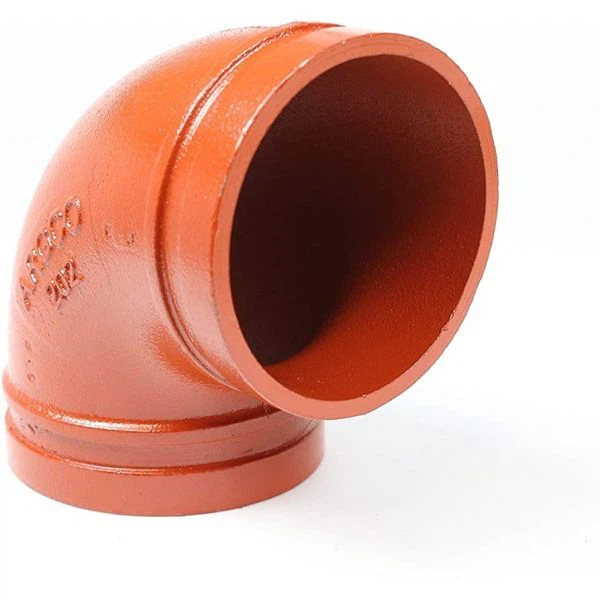 Grooved 90° Elbow for Fire System
 Groove Equal Tee  Flange and Flange Adaptors  K5.6 Response Upright Sprinkler  K8.0 Response Upright Sprinkler
|
||||
Applications for Fire Pipe Fitting
Fire pipe fitting is essential in a wide range of applications, including:
1. Commercial and residential buildings
2. Industrial facilities such as factories and warehouses
3. Public buildings such as schools, hospitals, and government offices
4. Airports, train stations, and other transportation hubs
5. Sports and entertainment venues
6. Oil and gas refineries
7. Power plants and other utilitiesFire pipe fitting is essential in a wide range of applications, including:
Details of Fire Pipe Fitting:
Fire pipe fitting involves the installation and maintenance of a range of components, including:
1. Fire sprinkler systems: These systems use sprinkler heads mounted on the ceiling to detect and suppress fires. They are designed to spray water or another fire suppressant agent across a large area to quickly extinguish a fire.
2. Fire hoses and hydrants: Fire hoses and hydrants provide a portable source of water that can be used to extinguish fires in areas where sprinklers are not installed. Fire hose reels are often strategically placed throughout buildings and other structures to enable easy access in the event of a fire.
3. Fire pumps and valves: Fire pumps are vital components of fire protection systems, as they ensure a continuous supply of water to sprinklers and other firefighting equipment. Fire valves are used to control the flow of water in fire suppression systems, enabling firefighters to divert water to specific areas as needed.
4. Fire alarm systems: Fire alarm systems are designed to detect fires and alert occupants and emergency services. These systems may include smoke detectors, heat sensors, and other devices that can detect signs of a fire.
In summary, fire pipe fitting is crucial in ensuring the safety of buildings and people by installing, maintaining, and repairing fire protection systems. These systems provide a means to prevent fires from spreading, and the installation and maintenance of these systems require the knowledge and expertise of trained professionals
Previous
No InformationYou Might Also Like


Send Inquiry