


Welded Steel Pipes
Why Choose Tianjin Baolai Steel Industry Group Co.,Ltd
Tianjin Baolai Steel Industry Group Co., Ltd is a comprehensive company, which focuses on steel pipes and other steel products. Established in 1991, Baolai is among the first few specialized companies that develop and manufacture ordinary and special-diameter steel pipes. We manufacture API, ASTM, BS, DIN, JIS, and EN standards pipes with a galvanizing facility. Our annual capacity is approximately 4800,000MT in various specifications and export 150,000MT to all over the world.
Rich Experience
We are the leading steel pipes manufacturer, having established since 1991 with more than 30 years of experience.
Wide Product Range
We develop and manufacture ordinary and special-diameter steel pipes, API, ASTM, BS, DIN, JIS, and EN standards pipes, having eight steel pipe production lines and five hot-dipped galvanizing production lines.
Professional Technical Team
A dedicated team is tasked to provide technical support to advise the proper usage of steel and assist customers in using the products to their best advantage.
Complete Qualifications
Our company has two integration management system evaluation certificates, China's top 500 manufacturing industries, ISO 45001, ISO 14001, and ISO 9001. Our products have API 5CT -0802, EN 10217 Directive 2014/68/EU, EN 10217 material according to DGRL 97/23/EC, Quality-Management-System, Quality-Assurance, LR 3, LR 2, LR 1, UL ASTM A852, UL ASTM A53/ ASTM, API 5L-0552 certifications.


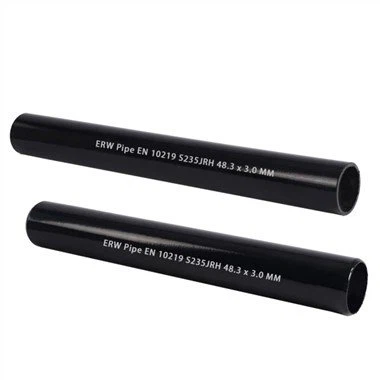
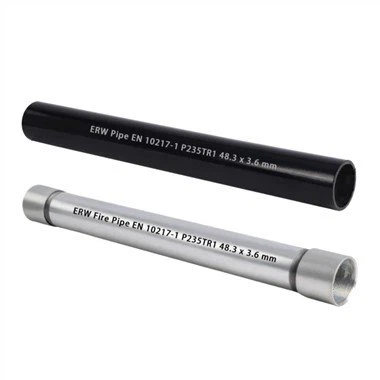


Welded pipe is a steel pipe made of steel plate or strip steel after being crimped and welded. The production process of welded steel pipe is simple, the production efficiency is high, there are many varieties and specifications, and it is a cost-efficiency product.
What is Welded Steel Pipe?
Welded steel pipe is created using a flat steel plate or steel strip, and its manufacturing process results in a seam on its body. Specifically, when welded steel pipe is manufactured, a steel plate or strip is bent and subsequently welded into either a circular, traditional pipe shape or a square shape. LSAW pipe, SSAW pipe, and ERW pipe are all types of welded steel pipe that are categorized based on how they are welded. For instance, LSAW pipe is welded longitudinally, and SSAW pipe is spiral-welded. ERW pipe is electric resistance welded, which results in a seam that runs parallel along the pipe body.
No matter the type of welded steel pipe, production is quick and efficient and costs less than the production of alternatives like seamless steel pipe. Overall, welded steel pipe is an affordable, adaptable choice and can be used for a number of different purposes.

Seaming
Welded steel pipe refers to the bending deformation of the steel strip or steel sheet as round, square and other shapes and then welded into the steel pipe, the surface of the seam.
Wide Range of Application
According to the different welding methods can be divided into the arc welded pipe, high or low frequency electric resistance welded pipe, gas pipe, stove pipe, bundy tube. Weld shape can be divided into Longitudinal and spiral welded pipe. Welded steel pipe used for oil drilling and machinery manufacturing.
The furnace can be used as a water pipe and gas pipe, large diameter welded pipe used for high-pressure oil and gas transmission; spiral welded pipe for oil and gas transmission pipe piles, piers.
High Efficiency
The welded steel pipe is lower than the cost of seamless steel, high production efficiency.
Ordinary Welded Pipes
Welded steel pipes can be used for low-pressure fluid transportation, also known as ordinary welded pipes, commonly known as black pipes. Used to transport low-pressure liquid water, air, gas, oil, steam heating, etc. The wall thickness of steel pipes for connection is divided into ordinary steel pipes and thickened steel pipes, which are divided into non-threaded steel pipes (smooth steel pipes) and threaded steel pipes. Steel pipe specifications are expressed in nominal diameter (Mm), which is the approximate value of the inner diameter. It is customary to use inches, such as 11 inches, 2 inches, etc. Welded steel pipes are used for low-pressure fluids, not only for direct delivery of fluids, but also as raw materials for galvanized welded steel pipes for low-pressure fluids.
Galvanized Welded Steel Pipes
Galvanized welded steel pipes can be used to transport low-pressure working fluids, also known as galvanized welded steel pipes, commonly known as white pipes. Used to transport water, gas, gas, oil and other general low-pressure fluids, such as heating steam, warm water or other hot-dip galvanized welded steel pipes (electric furnace welding or electric welding). Steel pipe walls are divided into ordinary galvanized steel and galvanized thick steel, galvanized steel and threaded galvanized steel plates without threads. Steel pipe specifications are expressed in nominal diameter (Mm), which is the approximate value of the inner diameter. Usually inches are used, such as 11x2, etc.
Ordinary Carbon Steel Pipes
Ordinary carbon steel pipes are protective sleeves for industrial and civil buildings, installation of wire machinery and other devices, and electrical installations.
Straight Seam Welded Steel Pipe
Straight seam welded steel pipe is a steel pipe that is parallel to the longitudinal research of steel pipes. It can usually be divided into metric welding process steel pipes, welding material thin-walled steel pipes, transformer cooling pipes, etc.
Spiral Submerged Arc Welded Steel Pipe
Spiral submerged arc welded steel pipe is a spiral welded steel pipe made of hot-rolled strip steel as the tube blank, which is often formed at high temperatures. Double-sided submerged arc welding is used for pressure fluid transfer. Steel pipes have strong load-bearing capacity and good weldability. After various rigorous scientific and technical tests and experiments, it is reliable to use. Mainly used for pipeline transportation of oil and natural gas.
Spiral Seam High-Frequency Welded Steel Pipe
Spiral seam high-frequency welded steel pipe for pressure fluid transportation is a spiral seam high-frequency welded steel pipe, which is welded by high-frequency lap joint method. Hot-rolled steel strip coil is often used as a pipe blank. Strong bearing steel, plastic to facilitate welding process. After various strict scientific inspections and tests, it is reliable in use and is mainly used for the laying of oil and gas pipelines.
Benefits of Welded Steel Pipes

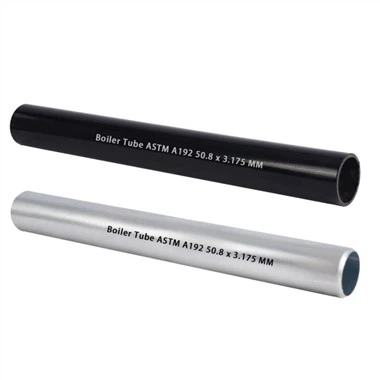
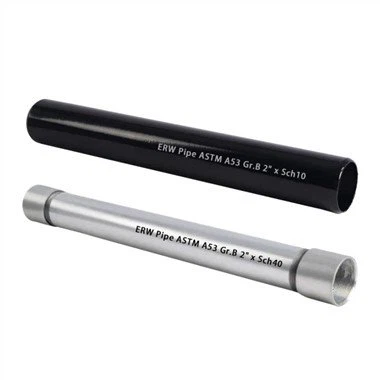

Elimination of All the Fittings
One of the advantages of welded pipe over screwed fittings is elimination of all the fittings needed to join individual straight sections of pipe. With screwed pipe there has to be a fitting between every joint in straight runs of pipe. Welding, on the other hand, can be put together in any form at any location in a straight run of pipe. Just a prep on the ends of the pipe is all that's required.
Many times when threads are not used, a thinner wall pipe may be selected. For long runs and big jobs this can create a significant cost savings. When pipes are screwed together, there is significant amount of additional labor required to thread the ends of pipes and put the fittings together. Also, there are costs associated with each of the threaded fittings. Sometimes the equipment to thread pipe is more complicated than some of the simple welding equipment we can use for joining pipes together in welded applications.
When there are screwed fittings there is a significant amount of turbulence and fluid resistance to the flow through the pipe. A properly welded system is smooth and streamlined on its internal contour and surface.
Easily Repaired
A welded pipe is much more easily repaired than one using screwed fittings. With welding, quite often a repair can be made with the pipe in place. A screwed pipe system must be disassembled repaired and then reassembled. There is a significant amount of additional labor to handle and to put together that screwed pipe system and not have any kind leaks within it. Quite often the welded pipe can handle vibration much better than a screwed pipe system. The welded system in a vibrating area will be less prone to leaks and becoming loose than a screwed pipe system.
When it comes time to insulate the pipes insulating or wrapping a welded system is much easier than going over all the threaded connections and all the bumps that come with those individual fittings.
Locate Closer
Another advantage of welded pipes is when pipes have to be located close together. We can locate welded pipes together much closer than we can with threaded pipes. Threaded pipes require room to have wrenches and other tools attached to them so that they maybe rotated and secured.
The labor to weld and screw smaller pipes are about the same. As pipe size increases, the labor and time to install the welded pipe decreases, and screwed pipe increases. Screwed pipe also requires different tooling for each size pipe we want to thread. A welding machine in the hands of a skilled pipe welder works on any size pipe. Selecting the proper welding process based on materials, position, wall thickness, and final use will play into selecting the correct welding equipment. Longevity has welding equipment to meet many pipe welding needs.
Application of Welded Steel Pipes
Water and Gas Transport
Welded steel pipe is excellent for transporting water, other fluids, and natural gas. Its affordable price makes it ideal for large-scale projects.
Pipe Casing
When drilled shafts are constructed, pipe casing (whether temporary or permanent) is needed, and welded steel pipe can be used for this purpose. When used as pipe casing, welded steel pipe adds support to a hole while construction in progress.
Bearing Piles
Welded steel pipe can be driven into the ground to help support and carry loads from big, heavy structures. When used as bearing piles, welded steel pipe may also be filled with concrete to boost strength.
Combi Walls
Welded steel pipe can be employed in the creation of combi walls, which serve as retaining structures. In combi walls, welded steel pipe is the king pile that is used in concert with steel sheet piles to form a strong, durable structure that can support significant loads.
Underground Utilities
Bored and jacked welded steel pipe can be used to assist when underground utilities are installed. When employed this way, hydraulic jacks drive sections of steel pipe between excavations, which are then conjoined with other sections of spliced pipe. Once the desired pipe structure is created, it is cleared and cleaned out to allow for a safe area for utility work.
Structural Sections
Welded steel pipe can be used to create large, open structures, including cofferdams. When used this way, it can offer an equal degree of bending resistance in every direction, which enables it to be resistant to buckling, even when substantially heavy loads are needing support across considerable lengths.
How to Choose Welded Steel Pipes


Materials and Grade
When it comes to steel pipes, the quality of the materials used plays a vital role. Different grades of steel are available in the market, each with its unique characteristics and strengths. It is crucial to determine the specific grade of steel that best suits your requirements. Consider factors such as corrosion resistance, impact strength, and the ability to withstand high temperatures. Consulting with industry experts or reputable steel suppliers can help you choose the appropriate grade of steel pipe for your intended purpose.
Production Process
The quality of steel pipes is greatly influenced by the production process. Reputable manufacturers adopt advanced technology and adhere to strict quality control procedures to ensure high-quality production. When considering a supplier, inquire about their manufacturing process and standards they follow. Look for suppliers who have internationally recognized quality certifications, such as ISO 9001, which ensures that their manufacturing processes meet stringent quality requirements.
Size and Dimensions
Choosing the correct size and dimensions of the steel pipe is essential for its proper functionality. Consider factors such as the pipe's inner and outer diameter, wall thickness, and length. Accurate dimensions are critical to prevent leakages, corrosion, and other structural issues. Always ensure that the steel pipe's size and dimensions comply with industry standards and specifications.
Testing and Inspection
Reliable steel pipe manufacturers conduct rigorous testing and inspection procedures to ensure the highest quality. These tests typically include chemical composition analysis, mechanical properties evaluation, non-destructive testing, and dimensional inspections. Request information from the supplier regarding the specific testing methods they utilize and the standards they follow. It is advisable to choose a supplier that provides documented quality controls and inspection reports for their steel pipes.
End Use and Application
Understanding the specific requirements for your steel pipe's end-use and application is crucial in selecting the right product. Different industries have diverse demands and environmental conditions that affect the choice of steel pipe. Consider factors such as the medium being transported, operating temperature, pressure, and potential corrosion issues. This information will help you determine the most suitable steel grade, corrosion resistance, and protective coating required for the pipe.
Our Factory
We have a complete factory production, quality supervision and delivery.


Our Certificate
At present, the company has ISO9001, ISO14001, ISO45001, Evaluation certificate of the integration of industrialization and industrialization management system, China's Top 500 Manufacturing Private Enterprises certifications.


Ultimate FAQ Guide to Welded Steel Pipes
Q: Where do the experts use welded steel pipes?
Q: What are welded steel pipes made of?
Q: What is the difference between welded and seamless steel pipes?
Q: What are the advantages of using welded steel pipes?
Q: What are some common types of welded steel pipes?
Q: What are the features of welded steel pipes?
Q: What is the maximum size of welded steel pipes?
Q: What are the main applications of welded steel pipes?
Q: What is the manufacturing process of welded steel pipes?
Q: What are some common welding defects in welded steel pipes?
Q: What are the specifications of welded steel pipes?
Q: Is there any difference between welded steel pipes and other steel pipes?
Q: How are welding defects in welded steel pipes detected?
Q: What is the difference between LSAW and SSAW steel pipes?
Q: What is the difference between welded steel pipes and seamless steel pipes in terms of strength?
Q: What is the difference between welded steel pipes and seamless steel pipes in terms of cost?
Q: What are some common standards for welded steel pipes?
Q: What are the Disadvantages of welded pipe appearance