


Steel Sheets And Plates
Why Choose Tianjin Baolai Steel Industry Group Co.,Ltd
Tianjin Baolai Steel Industry Group Co., Ltd is a comprehensive company, which focuses on steel pipes and other steel products. Established in 1991, Baolai is among the first few specialized companies that develop and manufacture ordinary and special-diameter steel pipes. We manufacture API, ASTM, BS, DIN, JIS, and EN standards pipes with a galvanizing facility. Our annual capacity is approximately 4800,000MT in various specifications and export 150,000MT to all over the world.
Rich Experience
We are the leading steel pipes manufacturer, having established since 1991 with more than 30 years of experience.
Wide Product Range
We develop and manufacture ordinary and special-diameter steel pipes, API, ASTM, BS, DIN, JIS, and EN standards pipes, having eight steel pipe production lines and five hot-dipped galvanizing production lines.
Professional Technical Team
A dedicated team is tasked to provide technical support to advise the proper usage of steel and assist customers in using the products to their best advantage.
Complete Qualifications
Our company has two integration management system evaluation certificates, China's top 500 manufacturing industries, ISO 45001, ISO 14001, and ISO 9001. Our products have API 5CT -0802, EN 10217 Directive 2014/68/EU, EN 10217 material according to DGRL 97/23/EC, Quality-Management-System, Quality-Assurance, LR 3, LR 2, LR 1, UL ASTM A852, UL ASTM A53/ ASTM, API 5L-0552 certifications.
BAOLAI Steel manufacturers steel sheets and plates products in different steel grades, each providing unique qualities and beneficial features. Our factory provides high quality hot rolled and cold rolled steel sheets and plates in ASTM, IS, DIN, BS, EN and JIS standards with lower price.
What are Steel Sheets and Plates?
Steel plates are types of flat steels that can be cut and welded into finer products. As the high-temperature steel is rolled into a plate, the strength of the steel plate is given. Layer upon layer of steel is compressed and forged into a piece of steel until it reaches the appropriate dimensions
Steel plates are often used to reinforce foundations and support heavy items, such as bridges. At the same time, this material provides an important foundation for building larger structures and non-machinable parts.

High Tensile Strength
Steel plates have high tensile strength, allowing them to withstand the significant forces and loads experienced during operation. This strength is achieved through controlled rolling or thermomechanical control processing (TMCP) techniques.
Good Toughness
Steel plates exhibit good toughness, which is crucial for withstanding impacts, heavy vibrations, and other dynamic loads encountered. This property ensures the structural integrity and safety.
Weldability
Weldability is essential for steel plates during construction. These plates are engineered to have good weldability, allowing for efficient and reliable joining of sections while maintaining the desired properties in the welded joints.
Low Temperature Properties
Some machines operate in cold regions or encounter low-temperature conditions during their service life. Steel plates are designed to maintain their mechanical properties and toughness even at low temperatures, ensuring reliable performance in freezing environments.
Stainless Steel Plate
Stainless steel plate is often referred to as ‘corrosion-resistant steel’ - it does not stain, corrode or rust as easily as normal carbon steel. It would however be misleading to say it is corrosion-proof. It differs significantly from standard carbon steel due to the amount of chromium present, which limits surface corrosion unlike carbon steel which will rust when exposed to air and any moisture in the atmosphere. Due to its anti-oxidation qualities, stainless steel is often a popular solution.
Where low maintenance and corrosion resistance is required, stainless steel plates are a natural choice and are used in a diverse range of applications from modern architecture for cladding or fascias, to the food hygiene industry due to its anti-bacterial qualities.
Carbon Steel Plate
Carbon steel plate usually been considered as the steel that does not contain much alloy steel elements. Generally elements are C, Mn, P, S, Si, besides these there are no minimum limits for elements of Al, Cr, Ni, Mo, V etc.
Carbon steel plates are available in different grades depending on the carbon content and strength.There are low, medium, and high carbon steel plates. The more carbon content, the more durable and stronger the plate becomes. There are further sub-categories depending on thickness and usage as well as the formation process. Usually carbon steel plates vary from 0.4 mm to 80 mm in thickness and 1000 mm to 45000 mm width, and they can be of length up to 18 meters. But the length is customizable which helps the customers to put them into various applications. One can also make cold rolled steel coils from them.


They are Incredibly Strong and Durable
The chemical composition of steel (high amounts of carbon) allows it to withstand extreme temperatures and pressures, making it one of the strongest materials available. Also, steel is corrosion-resistant, meaning it will not rust or degrade over time. These properties make steel sheets and plates ideal for applications where strength and durability are required.
They are Easy to Fabricate
Steel sheets and plates can be cut, welded, drilled, and machined relatively easily, making them versatile materials for a wide range of applications.
They are Easy to Maintain
The corrosion-resistant nature of steel means that it requires very little maintenance. Once fabricated, steel structures can last for decades with little to no upkeep required.
They are Recyclable
Another huge benefit of steel is that it is 100% recyclable. This means that, at the end of their lifespan, steel sheets and plates can be melted down and reused to create new products without losing any of their original properties.
Shipbuilding
Shipbuilding steel refers to steel commonly used for shipbuilding. In fact, shipbuilding is the area where steel plates are most extensively used. Shipbuilding steel requires a wide variety of features in terms of strength, dimension, surface, form and impact toughness (represented as grade A to F) depending on the application. All of our steel plates, including regular steel and high tensile steel approved by classification societies of many countries as well as TMCP-manufactured high tensile steel that allows for highly efficient electro-gas arc welding, are used for shipbuilding.
Structure
Structural steel is commonly used for ground structures, welded structures, bridges, industrial machines and many other similar applications. Wide applications mean a wide range of specifications used. Good weldability is essential because the use of these products always involves welding. Strength matching the use and the specifications used is also required. Typical methods applied to the production of this product include regular rolling and TMCP process, but heat treatment is often used when high tensile strength of over 60 kg is needed
Mold Base
Steel for molds is a kind of structural rolled steel, mainly used for various heavy equipment and machinery products. These products are particularly important for machinability and abrasion resistance, which also determines the lifetime of machine products.
Linepipe
Also commonly called linepipe steel, pipe and tubular steel is typically used for mass transport of key energy sources such as crude oil and natural gas. Therefore, it must provide the durability required to carry such key energy sources over a long range from the point of production to the point of consumption. Recently, many other features are expected of the steel as its applications expand resulting from less and less availability of close-to-reach energy sources. Examples include impact toughness required for use at extremely low temperatures and resistance to hydrogen induced cracking and/or stress corrosion cracking required for use in a harsh environment where H2S pressure is high.
Offshore Structure
Offshore steel is widely used for large scale platforms for drilling and/or production of oil. Required features for this steel include good ductility in the direction of thickness and low-temperature toughness that can help the platform withstand harsh offshore conditions such as drastic changes in underwater currents and waves on the surface.
Boiler & Pressure Vessel
This steel is extensively used for vessels designed to store energy sources such as crude oil, natural gas and LNG. These vessels must provide the environment required for the energy source contained including high pressure and extremely low or high temperature. Therefore, the steel used for this purpose requires excellent workability, weldability, heat resistance and corrosion resistance. Boiler & pressure vessel quality steel is widely used for applications that handle various energy sources, including gas ball tank, LPG tanks, crude oil or other liquified material tanks, storage tanks and thermal power boilers.
Low Temperature Pressure Vessel
Low-temperature pressure vessel steel is made by enhancing the extremely low-temperature property of existing boiler and pressure vessel quality steel. It is also called high nickel (Ni) steel as it has a high level of nickel content. This product features superb toughness against extremely low temperatures and good resistance to corrosion enabled by the nickel contained. Its common applications include LNG tanks and liquified gas storage tanks. It is also often used in place of expensive stainless steel.
How to Choose Steel Sheets and Plates

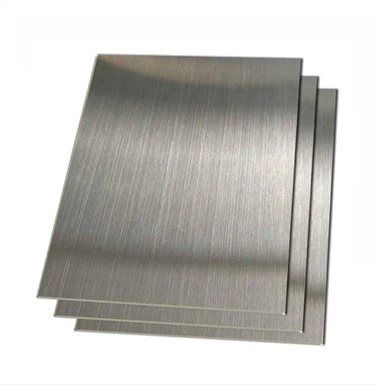


Look Closely at the Material of the Plate
It is critical to look closely at the material of the steel plate, especially in applications that require corrosion and heat resistance. The following are key steps to ensure the quality of the steel sheet material:
Material certifications and specifications: Ensure that the steel plate purchased complies with international or industry standards, such as ASTM International Standards, JIS Japanese Industrial Standards, etc. Require suppliers to provide documentation of material certification to ensure that it meets quality and specification requirements.
Corrosion resistance: Ensure that the material has sufficient corrosion resistance to resist the corrosive effects of chemicals or solutions flowing in the pipeline. Suppliers can be required to provide relevant test reports on the corrosion resistance of the material to ensure that it is suitable for specific application scenarios.
High-temperature resistance: For applications that require operation in high-temperature environments, ensure that the material has sufficient high-temperature resistance to maintain its strength and structural stability. Reviewing the material’s heat treatability and associated heat resistance data is a critical step.
Internal structural inspection: If possible, perform an inspection of the material’s internal structure, such as metallurgical microscopy, ultrasonic testing, etc. This helps to ensure that the material has no internal defects or structural stability. This helps to ensure that the material is free from internal defects or inhomogeneities that could affect its performance and durability.
Quality assurance and after-sales service: Choose a supplier with a good reputation for providing quality assurance and good after-sales service. This ensures that if you encounter any problems during use, you will receive timely support and solutions, increasing the reliability of the overall purchasing experience.
Consider the Cost of Steel Plates
When choosing a steel plate, it is vital to consider the cost. Here are some suggestions to ensure a balance between quality and cost:
Balancing quality and cost: While considering cost, it is important to focus on product quality. Low-cost products may have quality issues, so choosing a reasonably priced product with reliable quality is key.
Compare quotes from multiple suppliers: Talk to multiple suppliers to get their quotes and product details. Compare prices, lead times and after-sales service from different suppliers to make a comprehensive decision.
Consider long-term costs: Consider the long-term cost-effectiveness, not just the initial purchase cost. Durable and reliable steel sheets may reduce maintenance and replacement costs, saving you money in the long run.
Customized solutions: Some suppliers can offer customized solutions to meet your specific needs, which may provide greater flexibility in terms of cost. Consider whether there are customized options that fit your needs.
Negotiations and contract terms: When negotiating with vendors, strive for the best price. Ensure that contract terms are unambiguous, including details such as price, delivery dates, and after-sales service. Potential disputes and problems can be minimized with clear contract terms.
Consider Product Quality
Ensuring product quality is crucial, especially when it comes to critical applications. The following are key steps to ensure the quality of your steel plate supplier’s products:
Importance of quality management system certification: When selecting a steel sheet supplier, ensure that it complies with international quality management system certification standards, such as ISO 9001. This certification not only represents the supplier’s commitment to quality but also provides clear information about the reliability and effectiveness of its quality management system, providing a reliable basis for business collaboration and ensuring that product quality is up to standard.
Product certification and exhaustive test reports: Reliable steel plate suppliers should be able to provide relevant product certification documents and comprehensive quality test reports, including material composition analysis, mechanical properties testing, corrosion resistance testing, etc. These data reports are the key basis for evaluating product quality and performance, ensuring that the product meets quality standards and specifications.
Strict quality control process guarantee: Understand the supplier’s quality control process, including raw material procurement, production process control and finished product inspection. Ensure that the supplier has rigorous quality control measures in place to ensure consistent and reliable product quality. The rigor of the process is directly related to the quality and durability of the final product.
The value of customer feedback and evaluation: Pay attention to customer feedback and evaluation. Find out what customers really say about the quality of the supplier’s products and how they feel about them. This can help to gain a deeper understanding of the supplier’s reputation in the marketplace and provide a more objective perspective that can help to assess the supplier’s product quality performance.
Professional technical support and perfect after-sales service: In addition to the quality of the product itself, whether the supplier can provide professional technical support and perfect after-sales service is equally important. Ensure that the supplier is able to provide timely and effective technical support and after-sales service when there are problems with the product to protect the business.
Inspection and Testing Methods of Steel Plates
Checking the test methods of steel plates is an important part of ensuring product quality and safety. Here are some key test methods.
- Dimensional Inspection,Use precise measuring tools and strict measurement standards to ensure that the dimensions of the steel plate, such as diameter, wall thickness and length, meet the design requirements. Accurate dimensional inspection is the cornerstone to ensure the effectiveness of steel plate installation and use in actual projects.
- Chemical Composition Analysis,Advanced chemical analysis instruments are used to accurately analyze the content of various elements in the steel plate to ensure that its chemical composition meets the standard requirements. Qualified chemical composition is the basis for ensuring the stable and reliable performance of steel plate materials.
- Mechanical properties test,Through the application of a variety of mechanical testing methods, such as tensile test, impact test, hardness test, etc., a comprehensive understanding of the mechanical properties of the steel plate in different working conditions to ensure that it can withstand the expected load and stress, to ensure the safe operation of the project.
- Corrosion resistance test,through the simulation of the real working environment conditions of salt spray test, corrosion test, etc., the corrosion resistance of the steel plate to carry out a comprehensive assessment to ensure that in different environments will not be corroded or damaged.
- Appearance Inspection,This includes inspecting the steel plate for dimensional accuracy, surface finish, absence of defects and cracks, etc., to ensure that the product meets the appearance and dimensional standards. Fine appearance inspection is an important means to ensure the appearance quality of steel plates.
- Radiography,Through radiographic testing, the surface condition of the steel plate, as well as possible internal defects such as cracks, porosity, inclusions, etc., are comprehensively examined. Combined with X-ray or radiation flaw detection technology, it provides comprehensive and accurate defect detection results.
- Eddy current inspection,A technique for detecting surface defects on steel plates, suitable for detecting small cracks, depressions and other surface defects to ensure that the surface quality of the product meets the requirements of the standard.
- Supplier Quality Assurance,Ensure that suppliers have appropriate in-house testing facilities and conduct regular product testing in accordance with industry standards. Ensure that the steel plates purchased meet quality and safety requirements through rational and effective testing processes and strict quality control.
- Reasonable application of these testing methods can ensure the quality and safety of steel plates and provide a strong guarantee for the smooth implementation of the project.
Our Factory
We have a complete factory production, quality supervision and delivery.


Our Certificate
At present, the company has ISO9001, ISO14001, ISO45001, Evaluation certificate of the integration of industrialization and industrialization management system, China's Top 500 Manufacturing Private Enterprises certifications.


Ultimate FAQ Guide to Steel Sheets and Plates
Q: What is a stainless steel sheet?
Q: What are stainless steel sheets typically used for?
Q: What grade of material are stainless steel sheets made from?
Q: What finishes can a steel plate have?
Q: What are steel sheets and plates made of?
Q: What are the different types of steel sheets and plates?
Q: What is the difference between hot rolled and cold rolled steel sheets?
Q: What are the standard sizes for steel sheets and plates?
Q: How do you choose the right thickness for a steel sheet or plate?
Q: What are the different grades of steel used in sheets and plates?
Q: What are the advantages of using stainless steel sheets and plates?
Q: What are the disadvantages of using stainless steel sheets and plates?
Q: What are the applications of steel sheets and plates?
Q: How are steel sheets and plates manufactured?
Q: What is the maximum size for a steel sheet or plate?
Q: How are steel sheets and plates sold?
Q: What is the weight of a steel sheet or plate?
Q: Are steel sheets and plates recyclable?
Q: What are some common problems with steel sheets and plates?
Q: How can I protect my steel sheets and plates from rusting?