


Steel Coils
Why Choose Tianjin Baolai Steel Industry Group Co.,Ltd
Tianjin Baolai Steel Industry Group Co., Ltd is a comprehensive company, which focuses on steel pipes and other steel products. Established in 1991, Baolai is among the first few specialized companies that develop and manufacture ordinary and special-diameter steel pipes. We manufacture API, ASTM, BS, DIN, JIS, and EN standards pipes with a galvanizing facility. Our annual capacity is approximately 4800,000MT in various specifications and export 150,000MT to all over the world.
Rich Experience
We are the leading steel pipes manufacturer, having established since 1991 with more than 30 years of experience.
Wide Product Range
We develop and manufacture ordinary and special-diameter steel pipes, API, ASTM, BS, DIN, JIS, and EN standards pipes, having eight steel pipe production lines and five hot-dipped galvanizing production lines.
Professional Technical Team
A dedicated team is tasked to provide technical support to advise the proper usage of steel and assist customers in using the products to their best advantage.
Complete Qualifications
Our company has two integration management system evaluation certificates, China's top 500 manufacturing industries, ISO 45001, ISO 14001, and ISO 9001. Our products have API 5CT -0802, EN 10217 Directive 2014/68/EU, EN 10217 material according to DGRL 97/23/EC, Quality-Management-System, Quality-Assurance, LR 3, LR 2, LR 1, UL ASTM A852, UL ASTM A53/ ASTM, API 5L-0552 certifications.


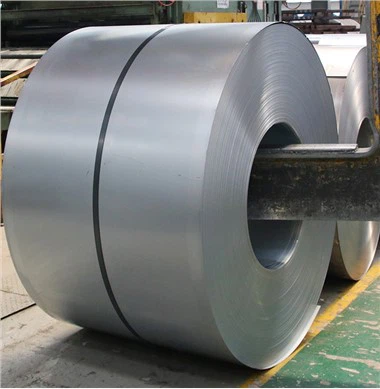
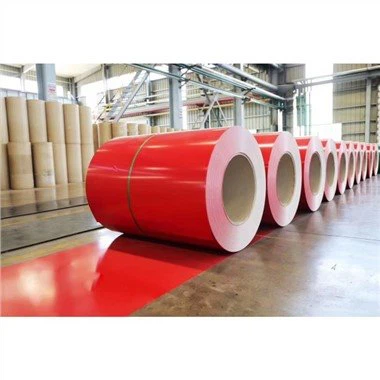
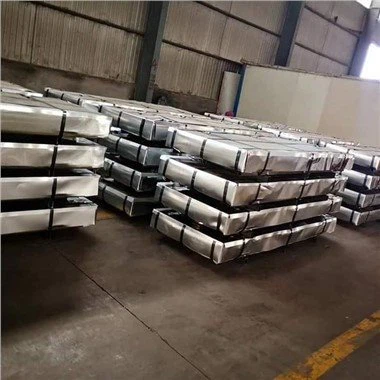
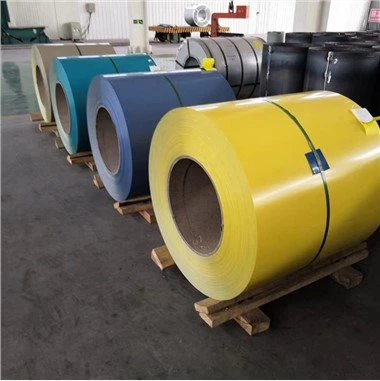
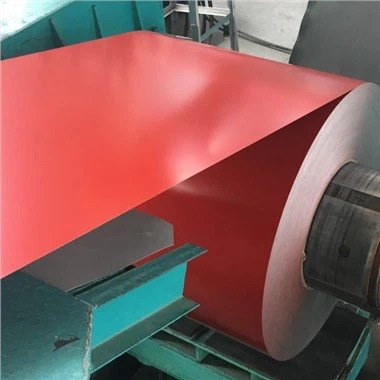

The steel coil is a steel material that has been hot-rolled or cold-rolled to form a coil, which is in order to facilitate storage and transportation and it is convenient for various processing.
What Is Steel Coil?
Steel coils are long, thin sheets of steel that are used in a variety of applications. They are produced by rolling steel at high temperatures and can be found in a variety of industries, including construction, automotive, and appliances. Steel coils are made of a variety of different materials, including carbon steel, stainless steel, and aluminum. The type of material that is used depends on the intended application of the steel coil.

Surface Finish
Steel coil exhibits a characteristic scale on its surface, often referred to as mill scale. While this scale doesn't affect the structural integrity of the steel, it adds a unique texture to its appearance. Depending on the application, the mill scale can be removed through various surface treatment methods.
Size Variability
Steel coil is available in a wide range of sizes and dimensions, offering versatility in application. This variability allows manufacturers to source the specific dimensions required for their projects, minimizing waste and optimizing material usage.
Weldability
Despite its strength, steel coil maintains excellent weldability. This makes it a preferred choice for projects that require joining and welding multiple pieces of steel together.
Hot Rolled Steel Coils
Hot rolled coils are manufactured in hot-rolling mills. Hot-rolling is the metal-treatment process that takes place at high temperatures approximately more than 2000 degrees Fahrenheit above the recrystallisation temperature of most steel types. Hot rolling begins when a large, long steel called billet is heated and sent to a large roll to be flattened into sheets. It is then passed through a series of rolls maintaining its high temperature until they reach the desired dimensions. These steel sheets are then spun and left to cool.
Since hot rolled steel is cooled after processing, it shrinks leading to less control over its final shape. This makes it less suitable for precision applications. Railway tracks and construction projects often use hot rolled steel.
Hot rolled steel is usually identified using the following characteristics
A scaled surface which is an after-effect of cooling from extreme temperatures.
Slightly rounded edges and corners for bar and plate products due to shrinkage and lack of precision finishing.
Cold Rolled Steel Coils
Cold rolled steel coil is an output of hot rolled steel. Hot rolled steel that is cooled completely is re-rolled at room temperature to produce cold rolled steel coil. This steel coil processing method helps achieve exact dimensions and better surface qualities.
Cold rolled steel coils undergo the rolling process which are metal sheets put between two rollers. There are other cold finishing processes including turning, grinding, and polishing. These processes are used to modify the hot rolled steel into more refined products.
Cold rolled steel is usually identified using the following characteristics:
Smooth finished surfaces
Well-defined edges and corners
Better uniformity
There are also other kinds of steel coils including galvanised steel coil, carbon steel coil and stainless-steel coil. All these types of coils have varying mechanical and physical properties.
Steel coil specifications depend on the type of steel coil in question. For example, while the thickness range of commercial quality galvanised steel coil is 0.14-0.80 mm the thickness range of carbon coil steel is from 0.0508 – 0.889 mm. Steel coil sizes also vary according to the supplier.
Colour Coated Coils
Colour coated steel coils are made by applying a coating to a hot rolled or cold rolled steel coil. This can be done using a number of different methods, such as hot dip galvanizing or electro-galvanizing. Coated steel coils are often used in the automotive and construction industries to protect against corrosion.
Easy Maintenance and Cleaning
You need to remove them, wash them off, and then reinstall them. With these simple instructions, you won’t have to worry about spending too much time cleaning these coils or getting your hands dirty.
Sturdy
A coil made from steel is very sturdy, strong, and resistant to heat, cold, and eroding. They can withstand extreme heat and cold without cracking or breaking over time.
Conserve Energy
The materials conserve energy since they don’t lose heat as quickly when exposed to hot or cold air currents. Your energy bills will be lower because of this.
Safe
Since they don’t contain any toxins as some other metals do, you can use one of these vape pens without worrying about inhaling any dangerous materials.
Reasonable Price
Reasonably priced since they are manufactured of a sturdy substance, they will last longer than other vape pens available, allowing you to save more money over time.

Application of Steel Coils
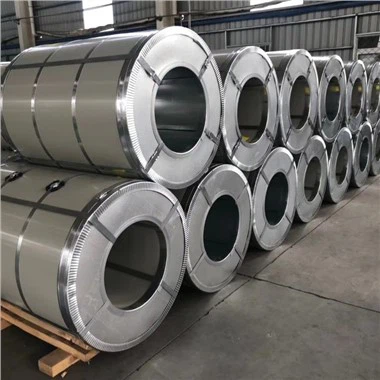
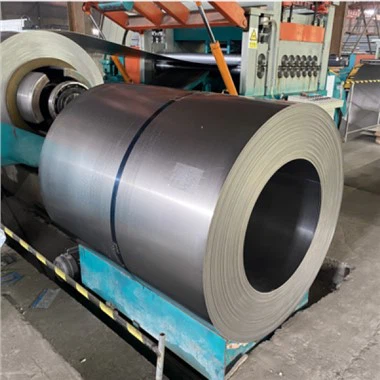
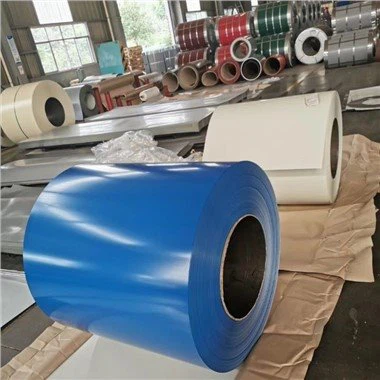

Pipe-Manufacturing
Steel coil finds its most common use in pipe manufacturing. Pipes, including ERW (Electronic Resistance Welding) and seamless pipes, start with an uncoiled sheet of metal that undergoes the continuous rolling process using steel coil. The aim of this method is to fuse the two joints of the rolling process through ERW, eliminating the need for welding filler compound. Notably, ERW pipes are categorized as cold-forming pipe manufacturing as they do not require heat furnaces or high temperatures. This manufacturing technique helps reduce internal stresses in the pipe, whether during storage or usage.
Another pipe-making technique involves the use of spiral pipes, which also begins with a sheet of metal. However, in this case, the metal sheet is wound at an angle. This winding process enables the weld to run along the outer surface of the pipe, resulting in the formation of a helix-like structure with all joints welded together. Steel coil plays a crucial role in facilitating the production of various types of pipes with different manufacturing techniques. Its utilization in pipe manufacturing demonstrates its significance in constructing a wide range of pipelines.
Structural Steel Members
Steel coils are highly preferred in applications where high tolerances are not necessarily required. The unwound steel sheets exhibit excellent weldability, ductility, and machinability. Through the utilization of metal fabrication machines, press breaks, or stamping machines, steel coils can be transformed into exceptional structural steel members. These members include I-beams, H-beams, angle bars, wide flange beams, and more.
Structural steel members play a vital role in almost every type of building construction. They provide essential framework support for walls and enclosures, ensuring the structural integrity of the entire structure. Steel beams possess the strength necessary to support a wide range of building materials, and they can be joined using various types of couplings or steel connections. These beams are also utilized in the ceiling structure of buildings, where steel trusses and rafters provide robust support to resist wind loads and maintain the integrity of the ceiling structure.
Steel coil finds extensive use in the production of structural steel members, which are fundamental components in the construction industry. Its versatility and strength make it an ideal choice for creating sturdy and reliable building structures.
Electronic Equipment
Steel coil finds its valuable application in the realm of electronic goods due to its high melting point. This characteristic makes sheet metals, derived from steel coils, suitable for various electronic components. Examples of such components include CPU housings, mobile phone cases, heat sinks, iron cores, circuit boards, and more. As these components rely on electrical energy to function, they have the potential to generate high levels of heat that can adversely affect other parts.
Fortunately, the utilization of steel coils in these electronic goods mitigates the risk of elevated temperatures that could potentially damage the components. Steel coils provide an excellent choice for these applications, not only due to their high melting point but also because they are easy to shape and require minimal maintenance. Opting for electronic devices made from steel coils at home proves to be a cost-effective purchase, given the material's advantageous properties.
Steel coil serves as a crucial material in the production of electronic goods, ensuring the durability and thermal stability of these components. Its application in the electronics industry demonstrates its significance in enabling the reliable and efficient functioning of various electronic devices.
Automotive Parts
Steel coil finds extensive utilization in the automotive industry, where it can be found in various parts of a vehicle. From the chassis framework and car doors to the exhaust system, dashboard components, wheels, rims, engine components, and suspension, automotive parts manufactured from steel coils are ubiquitous. The high strength-to-weight ratio, durability, heat resistance, and non-combustibility of steel coils make them an ideal choice, particularly considering the heat generated in a vehicle's combustion engine. This ensures that vehicle parts remain intact and reliable when constructed with steel coils.
Furthermore, steel coils have become the preferred material for car manufacturers in the production of various automotive products. The recyclability of steel coils is a significant advantage, as they can be recycled endlessly without compromising their essential properties. Any scrap steel coil can be refined and processed to create new vehicle parts, contributing to sustainability and resource efficiency. Moreover, car component manufacturers and vehicle makers continually explore innovative solutions using steel to enhance vehicle safety and improve the overall user experience.
Steel coil plays a vital role in the automotive industry, enabling the production of durable and high-performance vehicle parts. Its utilization in automotive applications highlights its importance in enhancing the strength, safety, and sustainability of vehicles.
Metal-Stamped Parts
Steel coil serves a broad range of applications, including its extensive utilization in various metal stamping processes such as shearing, notching, flanging, or cutting. Once again, steel coils exhibit exceptional malleability, making them suitable for both hot-forming and cold-forming stamping. This malleability enables easy shaping into various forms and facilitates the achievement of high tolerances.
Metal-stamped steel coils have had a significant impact across multiple industries. They have found applications in automotive, industrial, petrochemical, logistics, construction, food & beverage, and many other sectors. In fact, the majority of steel products that surround us are crafted from stamped steel coils, underscoring the versatility of this material.
Steel coil plays a crucial role in metal stamping processes, enabling the production of precise and intricate components for diverse industries. Its utilization in metal stamping demonstrates its significance in manufacturing a wide range of products with superior quality and precision.
六、How to Choose Steel Coils?
Corrosion Resistance
For steel coils, the installation environment is a key factor. When selecting steel coils, we primarily consider atmospheric conditions, concentration levels of specific chemicals and acids.
If the installation environment is less corrosive, a general purpose grade of austenitic steel coil is appropriate. For highly acidic environments, you will need to select a steel coil grade such as 316.
Heat Resistance
Ambient temperature is also an important factor. In a furnace environment (900–1175C), high temperatures accelerate the corrosion of steel coils.
In addition, it puts additional stress on the steel coil product. Therefore, if the temperature is consistently high, a steel coil with good heat resistance is required.
Low Temperature Resistance
Very low temperatures are another factor. Austenitic steel coils are effective at very low temperatures. They maintain higher tensile strength at low temperatures than at ambient temperatures. Despite a slight decrease in toughness, these steels work well at temperatures down to -161°C.
Magnetic Response
Austenitic grades have a low magnetic response. Those with higher nickel content are not magnetic under any conditions, such as 316 or 310 grades. Ferritic and martensitic steel coil grades (400 series) have high permeability.
Required Strength
Steel strength is an important factor to consider before you choose a grade, but it is a complex one. Your steel coil requirements depend on the application and installation environment.
In some cases, high-strength steel coils, such as austenitic and duplex steel coils, are appropriate. But in some cases, they also have obvious disadvantages and do not meet your requirements.
For example, high-strength austenitic steel produced through process hardening is not suitable for welding. It softens the steel.
Product Forms
Steel coils are available in a variety of forms, such as steel coil plate, steel coil bar and steel coil pipe. Not all grades are available in all product forms and sizes. Austenitic steel coil is versatile.
You can find products in a variety of forms and sizes for different applications. Ferritic steels are usually found in sheet form. Martensitic steels usually come in the form of solid bars.
Special Requirements
When installing steel coils, there may be special requirements. Therefore, you may need to change the grade of the steel.
For example, you may need a non-magnetic steel, a product suitable for welding or a product with a high degree of formability. Or maybe you just want a good looking product.
Cost
Cost is always a factor when choosing a steel coil coil to buy. You need to balance it with all other considerations. Sometimes the best technical steel is too expensive.
But remember to evaluate cost on a life cycle basis. Don’t just look at the initial price and then ignore the life cycle. steel coils last a long time, so the high cost of quality steel is justified.
Our Factory
We have a complete factory production, quality supervision and delivery.


Our Certificate
At present, the company has ISO9001, ISO14001, ISO45001, Evaluation certificate of the integration of industrialization and industrialization management system, China's Top 500 Manufacturing Private Enterprises certifications.


Ultimate FAQ Guide to Steel Coils
Q: What are steel coils?
Q: How are steel coils made?
Q: What are the different types of steel coils?
Q: What is the difference between hot rolled and cold rolled steel coils?
Q: What are galvanized steel coils?
Q: What are stainless steel coils?
Q: What are the applications of steel coils?
Q: How Are Steel Coils Used?
Q: What Are the Benefits of Using Steel Coils?
Q: What is the maximum weight of steel coils?
Q: How are steel coils transported?
Q: How are steel coils stored?
Q: What are the advantages of steel coils?
Q: What are the disadvantages of steel coils?
Q: What are the maintenance requirements for steel coils?
Q: How are steel coils cut?
Q: Can steel coils be recycled?
Q: What is the cost of steel coils?